1. Timing is everything, and being early is not the same as being wrong. Chad tried tokenizing domains a decade ago. The thesis was right. The infrastructure was not. If you have a thesis you believe in and the tools are not there yet, note the gap and revisit when the stack matures.
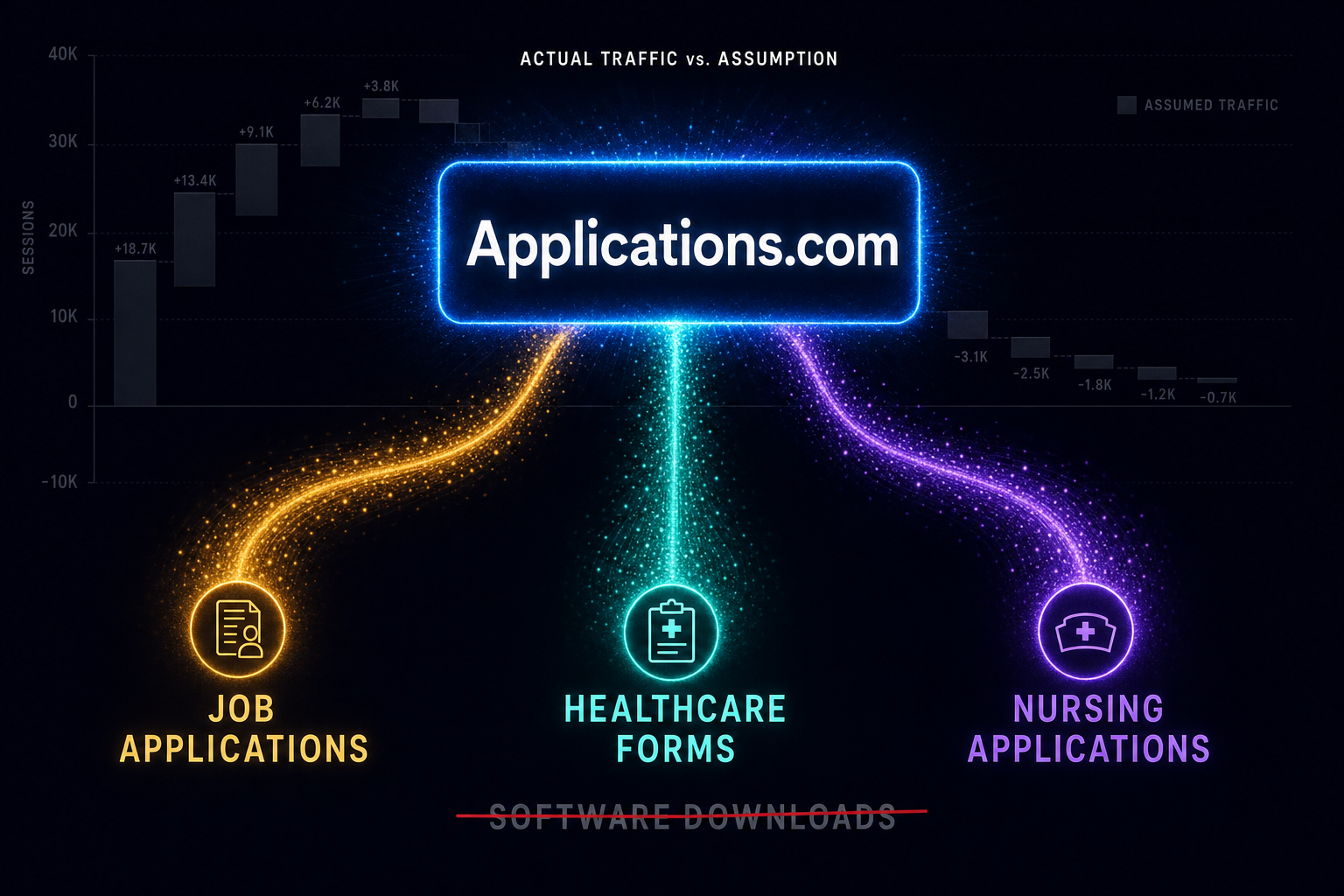
2. Understand who actually visits your asset. Applications.com taught Chad that the real audience was people looking for job and healthcare forms, not software. If you own a domain or a token or any digital asset, study the actual demand before building on assumptions.
3. Tokenization is a starting point, not a destination. Tokens create ownership alignment. But without utility, governance, and transparency layered on top, you just have a speculative instrument. Chad's insistence on public governance disclosure is a model worth studying.
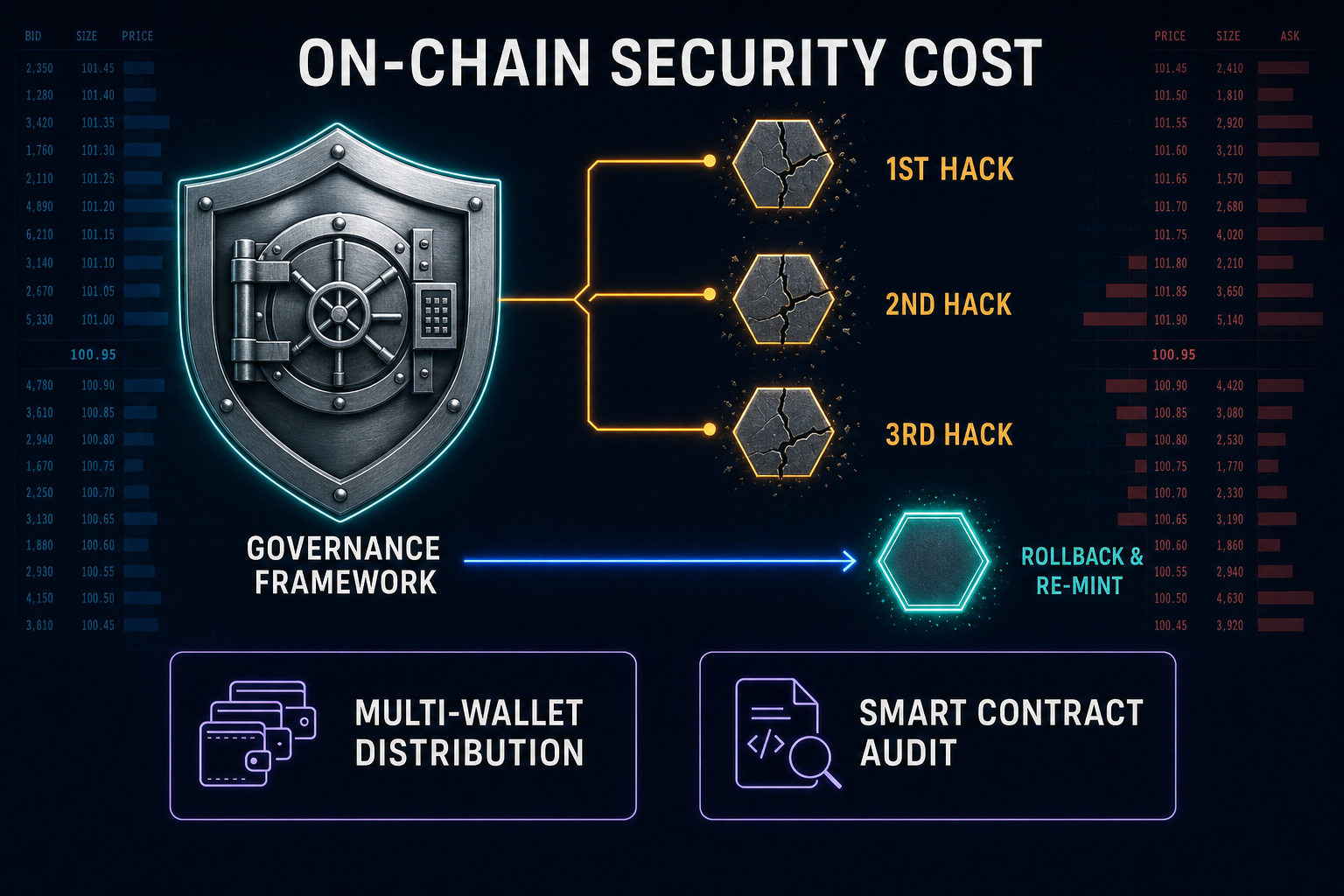
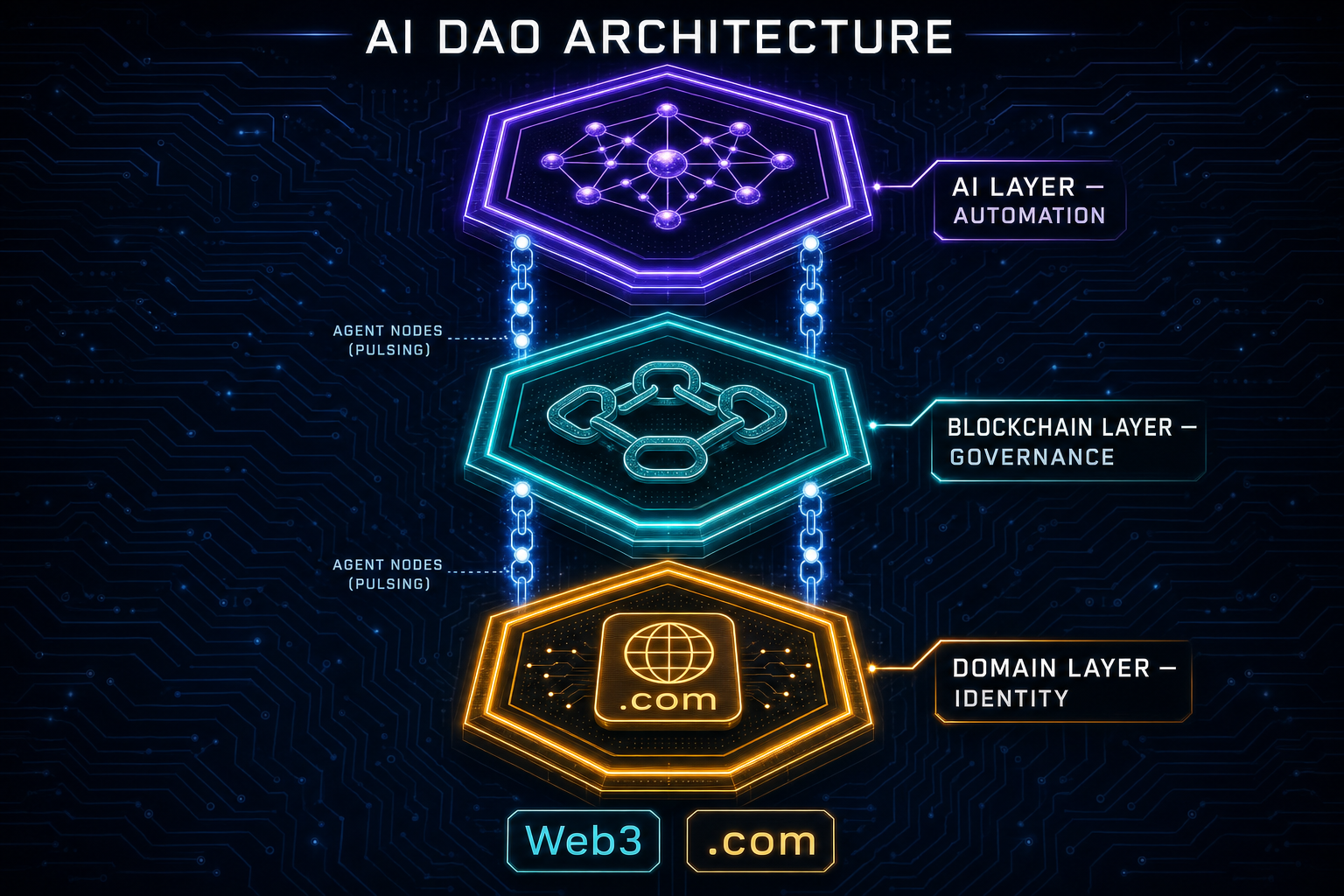
4. The domain and the token sit in different asset roots. This separation is a structural advantage. A crypto exploit does not automatically compromise the underlying domain. Designing systems with that kind of layered defense matters.
5. Defend what you own. Build a legal treasury, automate monitoring, and signal publicly that your assets are not free for the taking. Know the trademark landscape before you deploy.
6. Reputation compounds, and it also collapses. In a small industry, one bad-faith deal can undo years of credibility. This applies to crypto, domains, and every market in between.
7. Premium assets appreciate. Marginal ones fade. This is true for domains, tokens, and NFTs. The market bifurcates. Own the best you can, and let go of what does not carry its weight at $10.44 a year.
If the intersection of domains, tokenization, and AI autonomy interests you, the place to start exploring is Doma. The Applications.com launch has happened. What comes next is up to the people who show up and build.